What this is
A station that listens from somewhere quiet
Amateur radio needs two things a city cannot give you: an aerial with room
around it, and an absence of electrical noise. Every solar inverter, LED globe
and phone charger in a suburb adds to a hiss that buries the weak signals worth
hearing. So the station goes where the noise is not, and the operator stays at
home and reaches it over the internet.
Two of these already run. IKARA sits
in a paddock at Spring Range, north of Canberra.
ALAMO is at Graford in Texas, operated by
K5YZW from Fort Worth. Between them they have
settled the hard questions — how to power it, how to reach it, how to know
what it is doing when nobody is standing next to it.
OTAMA is where that stops being an experiment. IKARA and
ALAMO proved the concept; this one gets built the way the answer came out,
from the first day, with mains power and a site chosen on merit rather than
on whatever was available.
It is also the big gun of the three. IKARA and ALAMO run
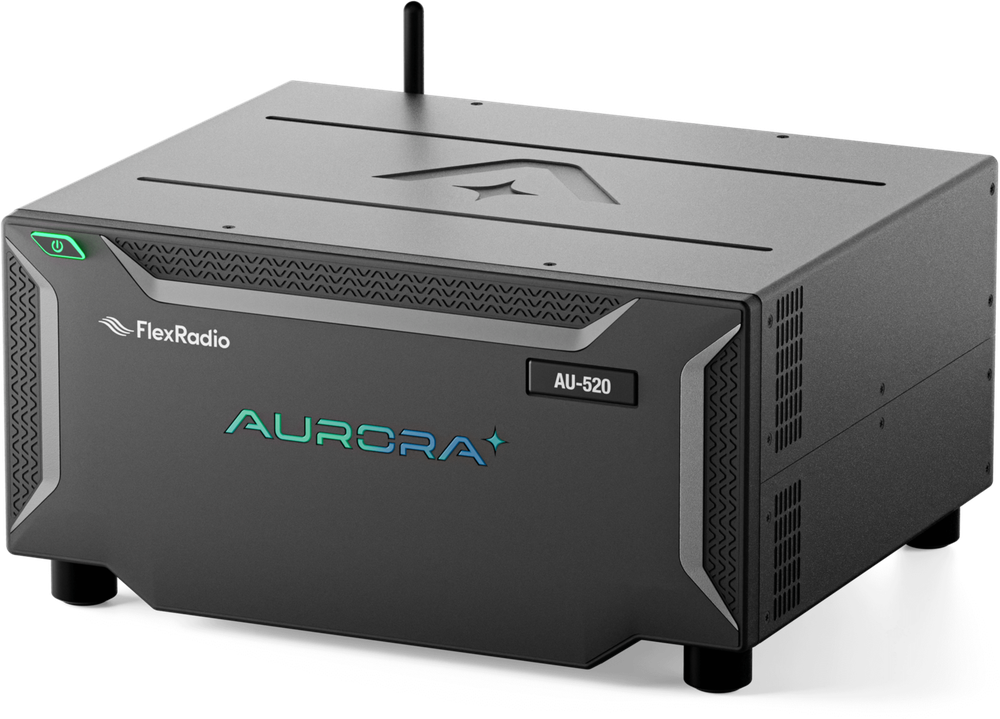
a hundred watts. The Aurora 510 runs five hundred — into
nine bands of DX Commander, from a place with no noise floor to fight. This
is the one built to be heard.
The plan
What is going in
Nothing here is speculative hardware. The radio is bought. The rest is
the standard fit‑out the other two sites arrived at.
- TransceiverFlexRadio Aurora 510
— bought
- HF antennaDX Commander Signature 9
— nine-band vertical
- Receive antennaEnd-fed half wave, feeding the KiwiSDR
- Wideband RXKiwiSDR 2 — 0–30 MHz, public receiver
- PowerMains — no solar, no battery bank to nurse
- UplinkStarlink Mini
- Site computerRaspberry Pi 3B+ — gateway, poller and
sensor host
- EnvironmentTemperature, humidity, presence and tamper
sensing in the cabinet
- WeatherIts own weather station, published live
- Camera4K 360° camera — look around the site rather
than at whatever a fixed lens was pointed at
- LocationTo be agreed — the aim is within about
90 minutes of Canberra — open
The one genuinely open question is the land. If you have a
quiet corner of a paddock within an hour and a half of Canberra, the
page for landholders explains exactly what this is and
what it is not — in plain English, and with nothing hidden in it.
How it is built
RS1.core, and the modules it needs
OTAMA is not written from scratch. It runs
RS1.core, the remote-station
framework behind IKARA and ALAMO: a small, boring, documented core that handles
the parts every remote site needs, with everything else added as a module.
The module register
lists them all. OTAMA expects to run roughly this set:
rs1-core
rs1-admin
rs1-health
rs1-history
rs1-colors
rs1-visitors
rs1-who
rs1-pushover
rs1-flex-monitor
rs1-flex-log
rs1-onair
rs1-dials
rs1-environment
rs1-presence
rs1-vibration
rs1-ecowitt-wx
rs1-camera-360
rs1-starlink-dish
rs1-starlink-link
rs1-qrm-panel
rs1-kiosk
One module the other sites need will not be
here: there is no rs1-victron-power, because the site runs on
mains and has no solar controller to watch.
What OTAMA adds is its own interface, OTAMApi, and its
own exit node in the AWS Sydney data centre, sitting
alongside ikara-exit-node. A site behind Starlink has no inbound
address, so the exit node is the fixed point the station dials out to and the
operator dials in to. Sharing IKARA's works and is how this will start —
but a production site gets its own, so one station's bad day cannot become
the other's.
Meanwhile
While this one is still on paper

The submariner's badge. Earned by
people who went; borrowed here by someone who did not.
← RS1 — the framework underneath